


Best Industrial STP Plant Solutions in Bhiwandi


 info@venusmumbai.com
 Enquire Now
Best Industrial STP Plant Solutions in Bhiwandi | Venus International
Best Industrial STP Plant Solutions in Bhiwandi | Venus International
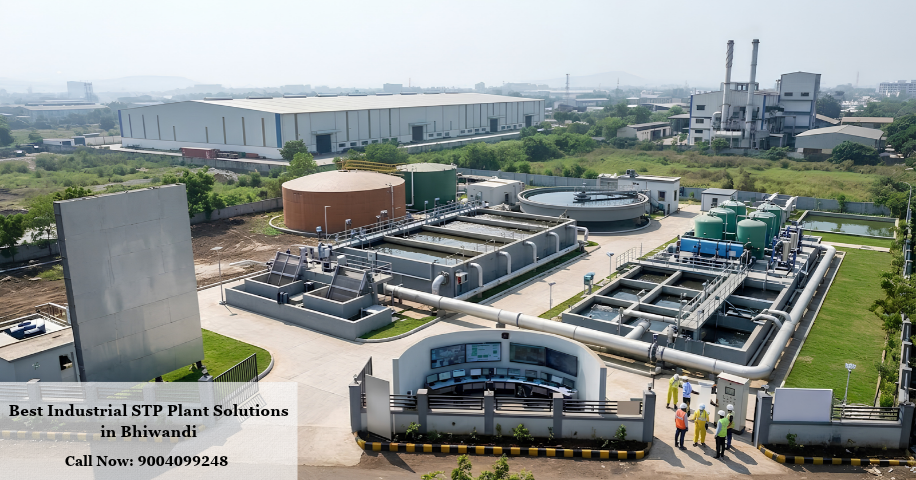
Bhiwandi’s dense mix of textile units, warehouses, and processing plants makes wastewater management a serious operational priority. Venus International delivers Best Industrial STP Plant Solutions in Bhiwandi that convert sewage and process discharge into compliant, reusable water.
When untreated sewage enters drains or open ground, it triggers odour complaints, pollution notices, and groundwater damage. A properly engineered sewage treatment system keeps your site compliant and shields nearby communities from contamination.
Best Industrial STP Plant Solutions in Bhiwandi | Venus International
Call Now: 9004099248
About Us
From its Mumbai base, Venus International supplies and commissions sewage and wastewater treatment plants for factories, housing societies, hotels, and commercial campuses across Bhiwandi and the wider MMR region.
Each STP design begins with a careful study of:
- Daily sewage volume
- BOD and COD load
- Peak inflow
- Discharge standards
- Reuse objectives
- Footprint and site layout
- Power availability
- Sludge handling needs
- Maintenance access
- Future capacity expansion
This detailed groundwork means every client gets a plant sized for actual conditions, not a generic catalogue unit.
Website: https://venusmumbai.com/
Contact Number: 9004099248
The Core Science Behind Sewage Treatment
At its simplest, a sewage treatment plant uses physical, biological, and chemical processes to separate solids, break down organic matter, and disinfect the effluent. Microbes do most of the heavy lifting by consuming organic pollutants in controlled aeration chambers.
A typical treatment train combines these stages:
- Inlet screening and grit removal
- Primary sedimentation
- Aeration and biological oxidation
- Secondary clarification
- Sludge thickening and dewatering
- Tertiary filtration
- Disinfection (chlorination or UV)
- Treated water storage
- Reuse or safe discharge
That is why selecting a capable STP plant manufacturer involves evaluating the entire process chain, not just tank dimensions.
Why Bhiwandi Industries Need Dependable STP Infrastructure
With thousands of powerlooms, dyeing units, and logistics parks packed into a relatively small area, Bhiwandi generates enormous volumes of domestic and industrial wastewater every day. Inadequate treatment directly threatens local water bodies and invites regulatory action.
A well-designed STP produces treated water that consistently meets pollution board norms, keeping your operations free from penalty risk and public complaints.
Common reuse applications for treated STP water:
- Landscape irrigation
- Cooling tower make-up
- Toilet flushing
- Dust suppression
- Construction activities
- Vehicle washing
- Industrial utilities
- Gardening and green belts
Actual reuse options depend on the treated water quality achieved and local environmental regulations.
STP Technologies and Plant Types We Deliver
We supply several STP configurations, each matched to the site’s flow rate, land availability, and output quality needs. As a trusted Best Industrial STP Plant Solutions in Bhiwandi provider, we handle projects ranging from compact packaged units to large-capacity civil plants.
1. MBBR-Based Sewage Treatment Plant
Moving Bed Biofilm Reactor systems use floating media to support dense microbial growth, delivering high treatment efficiency in a compact footprint. Ideal where space is tight and consistent output matters.
MBBR plants recover quickly after load fluctuations and require minimal civil construction.
2. SBR (Sequencing Batch Reactor) Systems
SBR plants run fill, react, settle, and decant phases in a timed sequence within the same tank. This design delivers excellent nutrient removal with reduced civil works.
SBR systems suit sites that need:
- Nutrient removal
- Variable flow
- Low operator input
- Compact layouts
- High effluent quality
The sequencing logic is set based on inflow patterns and discharge targets.
3. Packaged Compact STP Units
For smaller facilities with limited space, factory-assembled packaged STPs arrive ready to install. These units combine aeration, settling, and disinfection in a single compact skid.
Packaged units are popular for:
- Hotels
- Housing societies
- Small factories
- Commercial buildings with limited land
Installation time is short, and the modular design allows future capacity additions.
4. Conventional Activated Sludge STP
Conventional ASP plants remain a reliable choice for large-flow sites where land is available. The well-proven process offers stable performance and straightforward operation for trained teams.
Design parameters we evaluate include:
- Inlet flow
- BOD load
- COD load
- TSS
- MLSS
- Sludge age
- Aeration requirements
- Return ratios
- Footprint
Reviewing these factors ensures the aeration tanks and clarifiers are sized correctly for actual loads.
5. Tertiary Treatment and Polishing Systems
When effluent must meet stringent reuse or discharge norms, tertiary treatment becomes essential. Our polishing systems may include pressure sand filters, activated carbon filters, and UV disinfection to achieve the final quality target.
6. Sludge Handling and Dewatering
Sludge produced during treatment must be handled properly. Sludge thickeners and filter presses reduce volume for easier, compliant disposal. We integrate sludge handling into the overall plant design.
7. STP Operation and Maintenance Contracts
A plant performs at its best only with regular attention. We offer AMC packages that cover routine inspections, consumable replacement, and performance monitoring.
AMC coverage typically includes:
- Blower servicing
- Pump maintenance
- Media checks
- Sludge monitoring
- Effluent quality testing
- Consumables supply
Well-maintained plants consume less power, produce consistent effluent, and last significantly longer.
Water Quality Data That Drives Every STP Design
Designing a plant without water analysis is like building on sand. Two sites with identical daily flow can need completely different treatment trains depending on their sewage characteristics.
Critical parameters we test include:
- pH
- BOD
- COD
- TSS
- Ammoniacal nitrogen
- Phosphates
- Oil and grease
- Sulphides
- Detergents
- Heavy metals
- Microbiological load
Armed with accurate lab data, our engineers can select the right biological process, aeration intensity, and tertiary polishing steps.
Get In Touch
Sector-Specific STP Deployments We Handle
Different industries produce sewage with unique characteristics, so a single template never works across all sectors.
Textile and Dyeing Units
Bhiwandi’s textile cluster generates high-COD wastewater alongside domestic sewage. Combined treatment strategies are often required.
Design considerations for textile plants include:
- Dye load balancing
- Colour removal
- Sludge volume
- Reuse potential
- Discharge compliance
Precise characterisation of the waste stream guides the treatment train selection.
Residential Societies and Townships
Housing complexes must manage large daily domestic flows with limited space and strict odour control expectations.
Key priorities for residential STPs:
- Low noise
- Odour containment
- Compact footprint
- Uninterrupted operation
- Low power consumption
MBBR and SBR options work well in these settings, balancing quality with neighbourhood considerations.
Hotels and Hospitality Venues
Hotels typically generate sewage with strong organic content from kitchens and laundries alongside guest-room flows.
Commercial and Office Complexes
Commercial buildings often combine STP requirements with water reuse goals for cooling towers and landscaping, requiring integrated design.
Educational Institutions
Campuses need reliable treatment matched to fluctuating student populations and seasonal demand patterns.
Simple operation and low maintenance are the driving design goals here.
Healthcare Facilities
Hospitals require dependable treatment with strong disinfection, often combining STP output with UV or chlorination for safe disposal.
Pathogen reduction and reliable uptime are non-negotiable in medical settings.
Industrial Manufacturing Plants
Factory STPs must cope with canteen waste, workshop washdown water, and domestic sewage from worker facilities.
- Flow equalisation
- Load buffering
- Robust construction
- Access for maintenance
- Reuse integration
Every sector demands a different treatment train, and our industrial STP solutions are configured accordingly.
Preventive Maintenance That Protects Your Investment
A treatment plant is a living system that requires consistent attention to stay efficient.
Routine maintenance tasks we recommend:
- Blower inspection
- Pump servicing
- Aeration diffuser cleaning
- Sludge recirculation checks
- Chemical dosing calibration
- Effluent quality monitoring
- Media replacement when needed
- Electrical panel checks
Plants that follow a disciplined maintenance calendar consistently outperform neglected systems in both quality and longevity.
Performance Drift Indicators
Rising turbidity, falling dissolved oxygen, increasing sludge volume, or higher power consumption all signal that something needs attention.
Operator Training
Well-trained operators catch issues early, reducing downtime and emergency repair costs significantly.
Spare Parts Availability
Keeping critical spares in stock prevents extended shutdowns when unexpected failures occur.
Documentation and Compliance Records
Maintaining treatment logs and lab reports helps demonstrate compliance during pollution board inspections.
Upgrade Planning
As your operations grow, adding capacity or upgrading treatment stages should be planned proactively rather than reactively.
E-E-A-T (Experience, Expertise, Authoritativeness, Trustworthiness)
Experience
Venus International has spent years delivering STP, ETP, and water treatment systems across Maharashtra. From compact packaged units to large civil plants, our team has handled installations for textile units, housing societies, hotels, and factories, building deep practical knowledge along the way.
Expertise
Our engineers design every STP around accurate wastewater characterisation, correct process selection, aeration design, sludge handling, and the final reuse or discharge target. Nothing is left to assumption.
Authoritativeness
As part of the Venus International group, we draw on an extensive portfolio of treatment installations and a track record of successful projects across Mumbai and surrounding industrial belts, earning client trust project after project.
Trustworthiness
We stand behind our work with transparent engineering, honest technical advice, dependable installation, and responsive service support — so every client can run their STP with total confidence.
Frequently Asked Questions (FAQ)
Q1. What treatment technologies are used in STP plants?
Ans: Our STPs use biological processes such as MBBR, SBR, and conventional activated sludge, followed by clarification, filtration, and disinfection. The exact combination is chosen based on wastewater characteristics and output quality targets.
Q2. Can treated STP water be reused at my facility?
Ans: Yes, if the treated water meets the required quality standards. Reuse applications include landscaping, toilet flushing, cooling tower make-up, and dust suppression. We design for the specific reuse goals you have in mind.
Q3. How much space does an STP require?
Ans: Space requirements depend on the technology chosen and the daily flow. MBBR and packaged systems fit into compact footprints, while conventional ASP plants need more land. We assess your site layout during the design phase.
Q4. Do you offer AMC for STP plants?
Ans: Yes. We provide annual maintenance contracts covering blower and pump servicing, media replacement, sludge monitoring, effluent testing, and consumables supply to keep your plant performing reliably.
Q5. Can an STP be customised for my site’s specific needs?
Ans: Absolutely. Every STP we build is tailored to your wastewater analysis, peak flow, available space, discharge norms, and reuse targets. No two projects are treated alike.
Contact Us
Website URL : https://venusmumbai.com/
Call: 9004099248, 93209 06789
Address: 527, Prestige Industrial Estate, 5 th floor, Bawdi Cross lane, off Marve Rd, Near Bank of Baroda, Near Bangalore Iyengar Bakery, Malad (West), Mumbai – 400064
Conclusion
Choosing the right Best Industrial STP Plant Solutions in Bhiwandi is a decision that affects compliance, operating costs, and community relations for years. A well-built STP must reflect your actual wastewater profile, flow patterns, footprint constraints, and reuse ambitions.
Venus International offers a complete range under one roof — STPs, ETPs, RO plants, water treatment plants, UV purifiers, sand filters, carbon filters, and softening systems — so you can source your entire treatment requirement from a single, reliable partner.
📞 Get expert consultation now: 9004099248
🌐 Visit: https://venusmumbai.com/
“Don’t forget to share this post!”


Best Industrial STP Plant Solutions in Bhiwandi
Best Industrial STP Plant Solutions in Bhiwandi
Best Industrial STP Plant Solutions in Bhiwandi
Best Industrial STP Plant Solutions in Bhiwandi


